

Resources
CCKLA Resources
CCKLA Brochure (coming soon)
Pre-Planning Worksheet
This worksheet is designed to help you honor the wishes of loved ones and it can ensure others honor yours.
Once completed, including name, date, and signature, copies should be given to relevant family members, those with Power of Attorney, clergy, and legal counsel.
Los Angeles Resources
Jewish Mortuaries & Cemeteries
Other Mortuaries & Cemeteries
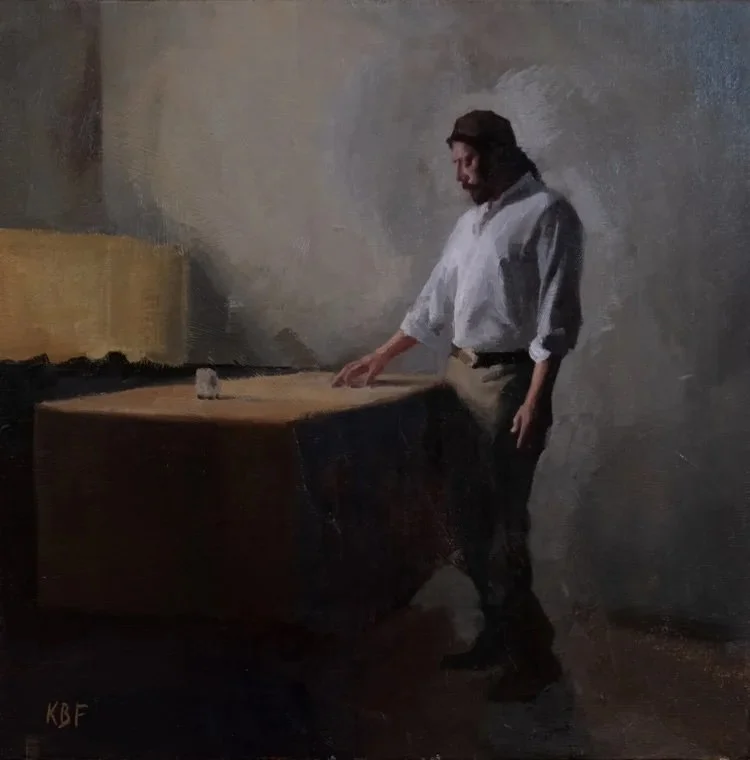
With permission from © Karen Benioff Friedman
National Resources
Jewish Association for Death Education
The Jewish Association for Death Education (JADE) is a Jewish end of life nonprofit organization that provides education, guidance and support to people in the Jewish community, by offering access to and delivering Jewish wisdom along the end-of-life continuum.
The Hineni Tool
JADE's easy to use resource on Jewish end of life topics.
Shomer Collective Resource Library
A compilation of thoughtful articles regarding Jewish end of life practices
Kavod v’ Nichum understanding Chevra Kadisha
Kavod v’Nichum empowers, educates, and trains Chevra Kadisha
Shmirah & Tahara explained
The 5 elements of Tahara
Rechitza : Washing
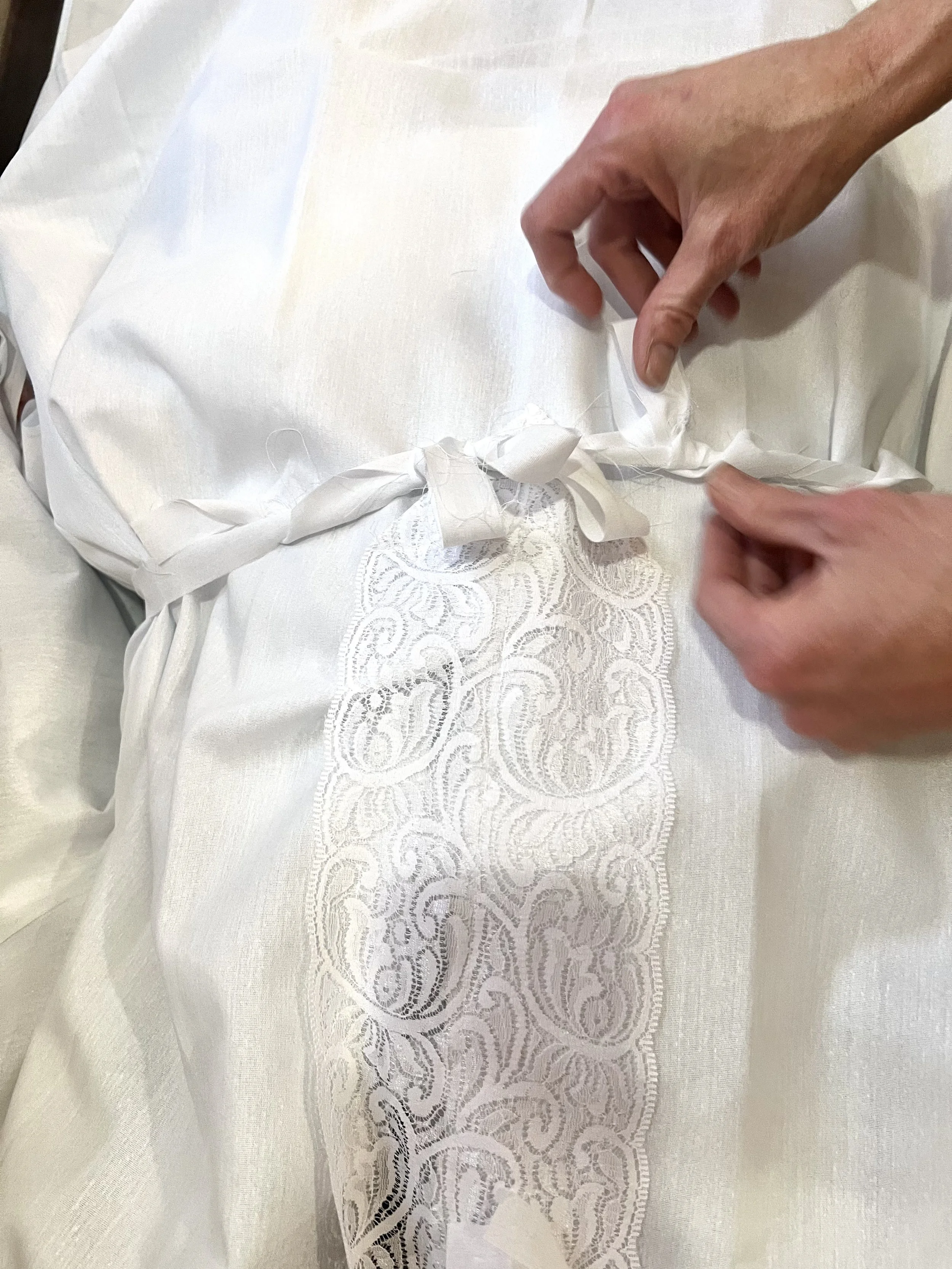
The members of the Chevra Kadisha team begin with a simple washing of the deceased, taking care to remove anything on the body (e.g. jewelry, bandages, and nail polish) so that we return to the earth the way we entered.Taharah: Spiritual Purification
Water has transformative power in many faith traditions and features prominently in Jewish ritual life. Once the deceased is clean, 24 quarts of water is poured over the body in a continuous flow, like a rushing stream. Now both the physical and spiritual entities are purified and ready to move on.Halbasha: Dressing
For centuries, Jews have been buried in tachrichim, a simple burial outfit usually consisting of pants, a tunic, a kittel (jacket), and a head covering. In keeping with our values of modesty and equality, tachrichim are made of plain, inexpensive fabric.Halanah: Placing the Body in the Casket
The deceased is gently lifted and placed into the casket, which has been lined with a large sheet and often a tallit, a prayer shawl. Some customs include: Placing earth from Israel on the body, Placing pieces of pottery over the deceased’s eyes and mouth, Wrapping the body fully in the sheet and tallitAron:Casket
To promote return to the earth, a Jewish casket is made of natural materials that will decompose. Wood caskets with wood dowels and rope handles, or “a plain pine box,” are often used. In the same tradition of using simple burial outfits, the coffin is not to be ostentatious, in order to reflect our values of simplicity and equality.